Working from home makes it easy to stay busy all day without making real progress on the things that matter most to you. Meetings, emails, and small tasks fill the hours fast. Your bigger goals keep getting pushed to tomorrow. And tomorrow keeps moving.
A goal tracker printable gives you a way to keep those bigger goals visible while managing everything else. It’s one of the more practical tools for anyone still figuring out how to stay organized as a remote worker.
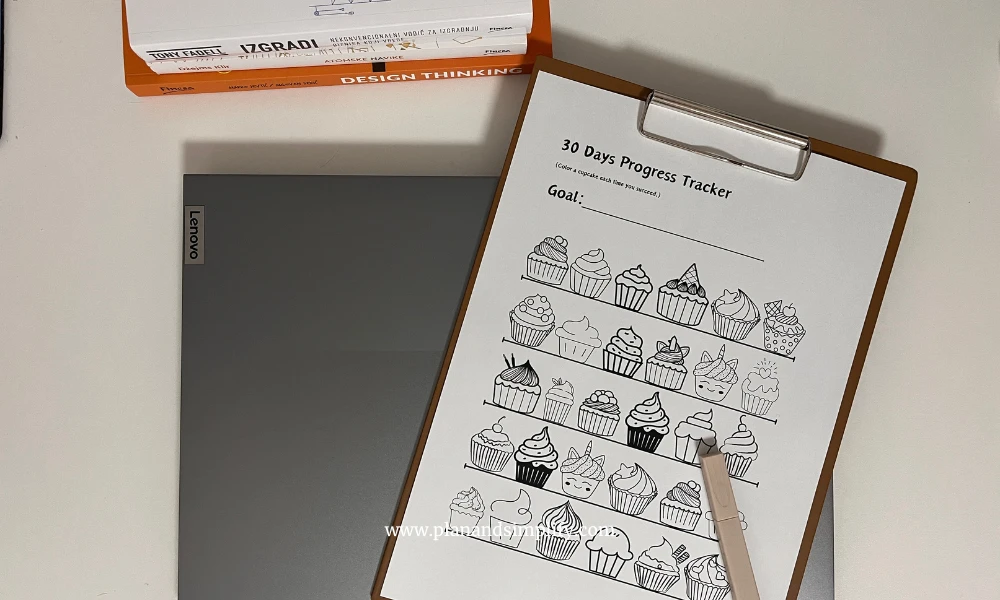
Setting goals when you work from home
Remote work gives you more autonomy than most work setups. But autonomy without direction is where long term goals quietly disappear. You’re not accountable to anyone for your personal goals, your career development, or the things you want to build outside of work. That accountability has to come from you.
Long term goals get lost in the day to day
When your home is your office, urgent work tasks always feel more pressing than important personal goals. A deadline from your manager beats a goal you set for yourself every time. Without something to keep your personal goal progress tracker visible, weeks pass and nothing moves forward.
Without a system, busy days replace productive ones
Being busy and making progress are not the same thing. Remote workers are especially vulnerable to this because there’s always something work related to fill the time. A personal goal tracker makes the distinction visible. It shows you whether your days are moving you toward something or just moving. Even something like organizing your phone for better focus can make a bigger difference than it sounds when your whole workday happens on a screen.
Which goal tracker printable fits where you are right now
The right tracker depends on what you’re working toward and how much time you have.
If you’re job hunting while working remotely, the job search checklist, interview prep list, and job application tracker are worth grabbing alongside your goal tracker printable. Job hunting is its own project, and tracking it separately from your other goals keeps things from getting overwhelming.
For personal and professional goals, the timeframe matters most. A 10 day or 14 day tracker works well when you’re testing something new or building momentum on a goal you keep putting off. The yearly goals tracker is for the big picture, the goals that don’t fit in a month but need to stay visible all year.
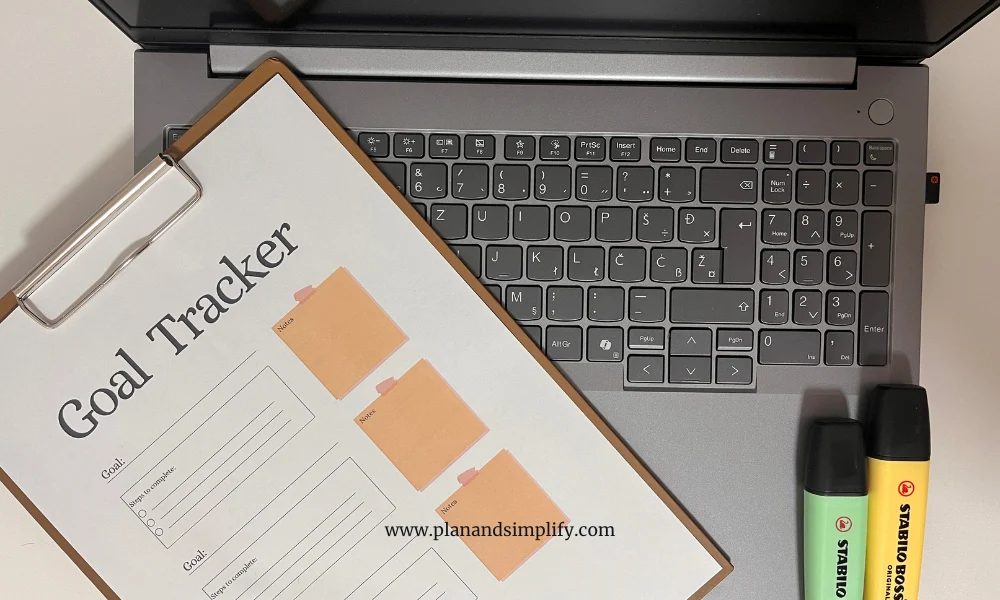
How to use your goal tracker printable as a remote worker
A goal tracker printable only works if the goal behind it is clear. A vague goal produces vague tracking, and vague tracking tells you nothing useful at the end of the month.
Start with where you want to be in 90 days
Three months is a useful window for remote workers. It’s long enough to make real progress and short enough to stay focused. Pick one goal that would change something concrete in your work or personal life if you achieved it in 90 days. Write it down specifically. Not “get better at time management” but “finish work by 6pm every day.” Not “be healthier” but “walk for 30 minutes before starting work.”
That specificity is what makes a visual goal tracker useful. You need to be able to answer yes or no each day, not maybe.
Break it down into weekly actions
A 90 day goal is too big to track daily without breaking it down. Once you have your goal, work backwards. What would you need to do each week to get there? Those weekly actions become your daily tracking points. This is where a goal setting tracker earns its place. It bridges the gap between where you are and where you want to be.
For job hunting specifically, weekly actions might look like sending three applications, doing one interview prep session, and updating one section of your CV. Tracked weekly, those actions add up fast.
Check in before you lose momentum
The most common point where goal tracking falls apart is around week three. The initial motivation has faded and the goal still feels far away. A mid point check in, built into your schedule before you need it, is what keeps your goal progress tracker from ending up blank.
Every two weeks, look at your tracker and ask two questions. What’s working? What keeps getting skipped? The answers tell you whether to adjust your approach or your goal itself.
Goal tracking ideas that keep you going
Tracking the same thing the same way for 30 days gets monotonous. These goal tracking ideas help you stay engaged without losing the structure that makes tracking useful:
- Use your tracker alongside your weekly planning session. Every week, look at where your goal progress tracker stands and decide on your three most important actions for the coming week. This connects your long term goals to your immediate plans, which is where most goal tracking systems break down.
- Try the SMART goals tracker for any goal that feels overwhelming or unclear. Walking through each section forces you to make the goal concrete before you start. Remote workers often skip this step and wonder why their tracking feels meaningless after two weeks.
- Color code by energy level if you use a visual goal tracker. Mark days when you completed your goal action with full energy differently from days you pushed through when tired. Over time, this data shows you when you do your best goal related work, which is useful for scheduling as a remote worker.
- Share your tracker progress with one person. Not publicly, just one accountability partner. The fun goal tracking ideas that produce consistent results are almost always the ones with some external visibility, even minimal.
FAQ
Here are some quick answers to help you start using them with confidence:
Start with the areas where remote work makes things harder: career visibility, work life boundaries, and professional development. These are the goals that tend to slip most when you’re not in an office. A personal goal tracker focused on one of these areas tends to produce more noticeable results than generic life goals.
A habit tracker measures whether you did something consistently. A goal tracker measures whether you’re moving toward a specific outcome. They work well together. Daily habits keep your routine stable, while goal trackers keep the bigger picture visible.
Switch your focus from the outcome to the action. Your goal tracker printable should measure whether you took the action, not whether the result has arrived yet. Results lag behind actions, sometimes by weeks. If you’re consistently taking the right actions, the tracker is doing its job even when progress feels slow.
Yes, but keep them on separate trackers. Mixing work goals and personal goals in one tracker makes it harder to see patterns in either area. Use a yearly goal tracker for your annual professional targets and a shorter tracker for personal goals you’re actively working on.